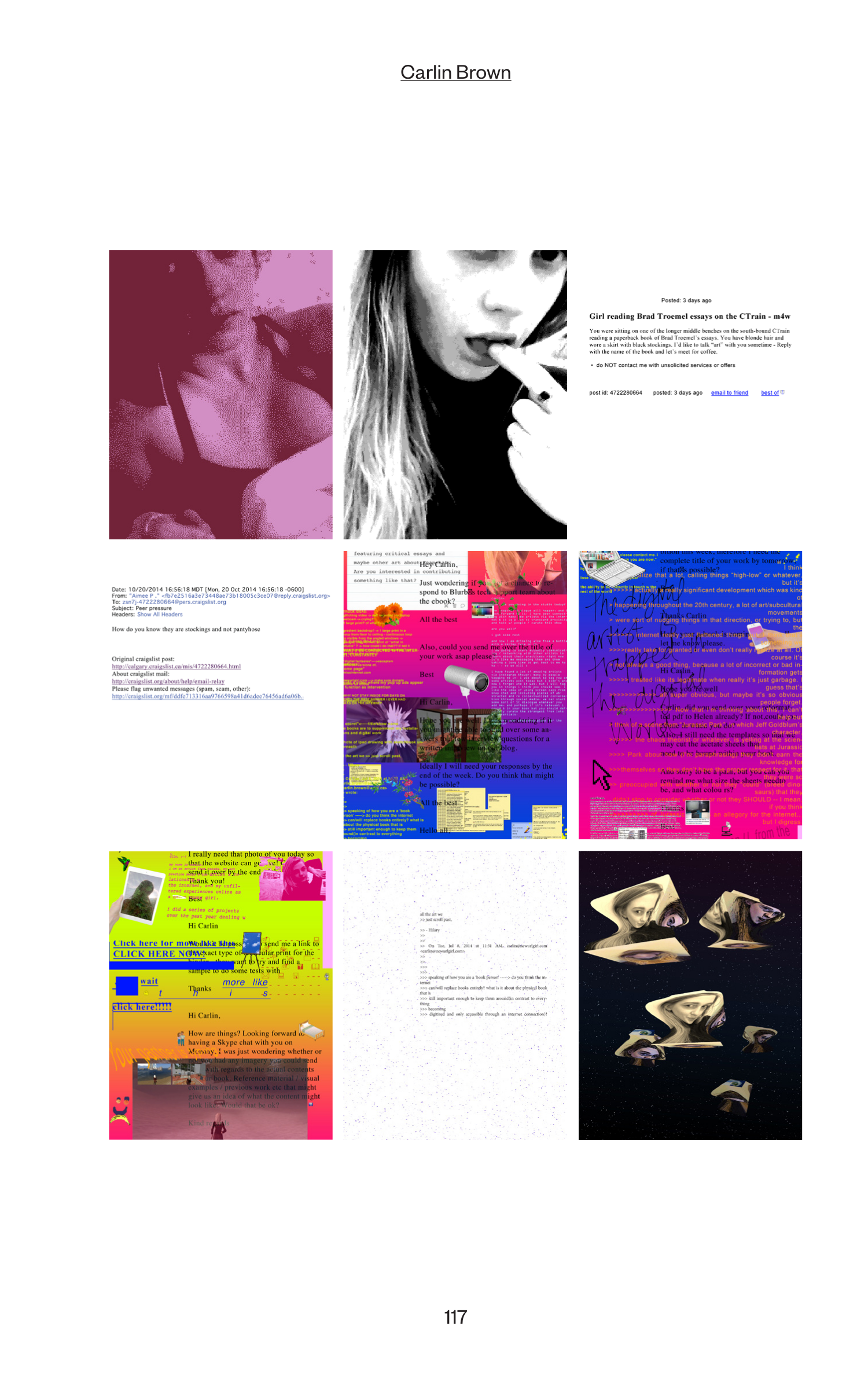
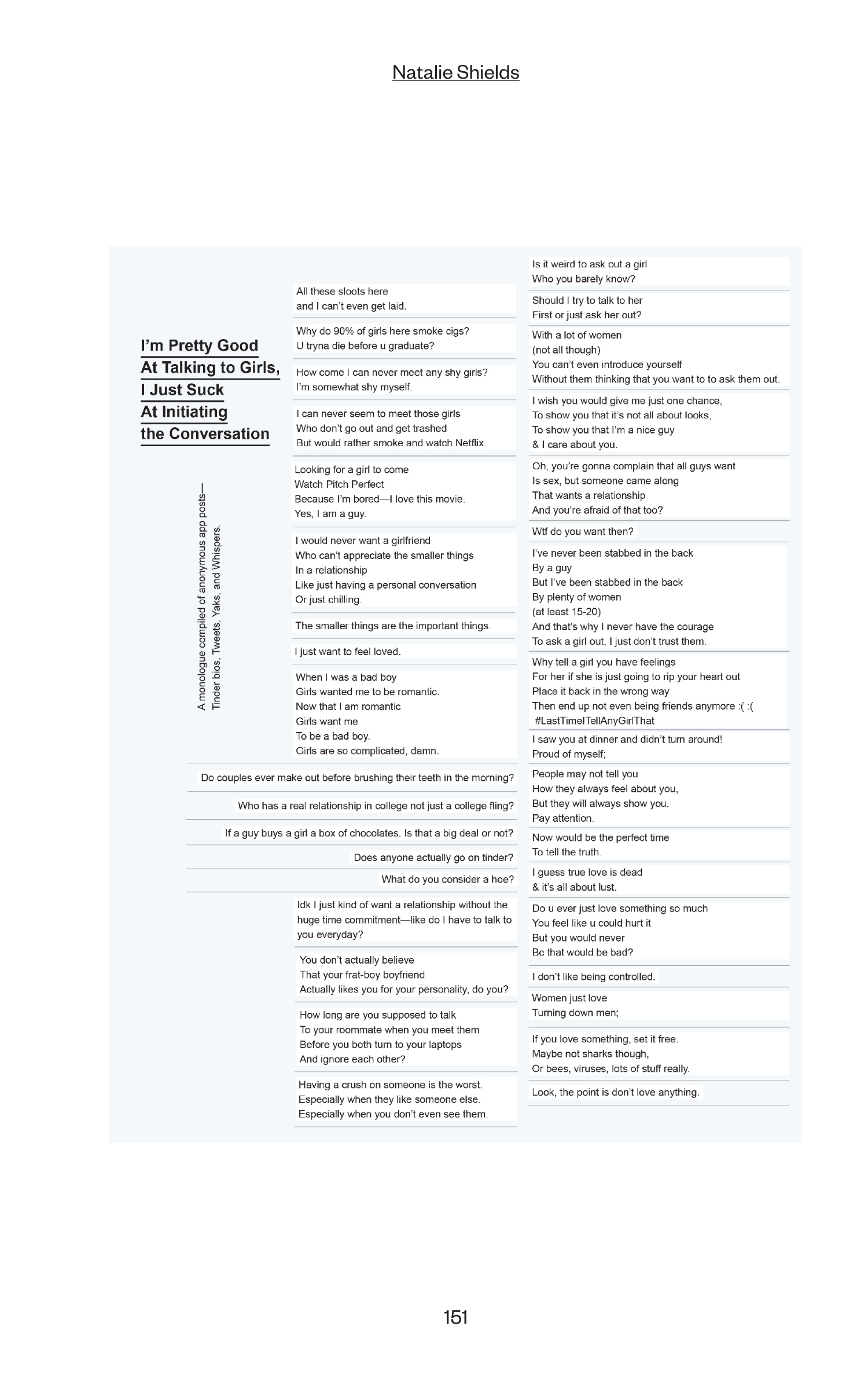
i read a physical copy of this zine at the places/cybernetics library, but while i was there, i decided to switch to a digital copy i found on the internet archive for easier copy/pasting into my notes.
in defense of poor media
One of the fields where rich media are supposed to have a groundbreaking effect is education. The assumption is that ‘digital natives’ are completely at ease with digital technology, therefore learning tools and methods must adapt to this new kind of cognition. Traditional textbooks are static, boring and therefore obsolete. The argument is generally supported by the frequent statistics showing the extinction of strong readers. The solution is books in which students “flick through photo galleries, rotate 3D objects, tap to pop up sidebars, or play video and audio” (“iBooks Textbooks for iPad” 2012).
Italian philosopher Roberto Casati names this phenomenon “digital colonialism.” Sharing Kay’s concerns, he highlights the way rich media discourage intellectual production. Furthermore, he argues that they impose a continuous and tiresome multitasking condition. Along with push notifications, a bestiary of other distractions inhabits the iPad’s environment. According to some of the early e-lit proponents, hyperlink was to revolutionize literature. Today, the reassuring consequentiality and peaceful inactivity of traditional books seems to offer an escape from this hammering information overload.
e-zines
Like the early Project Gutenberg ebooks, e-zines were originally formatted as ASCII text. At first, they were spread through the BBS (bulletin board system). According to Jason Scott (1999), archivist at textfiles.com, “Instead of losing individual textfiles in the sea of BBSes, many writers chose instead to move to the ‘Magazine’ model, where they would band together textfiles and release them as a group. This strengthened the chances of the files surviving and also made for impressive file sizes, a sign of quality to people browsing sites.”
EPUB
Originally developed around 1998 (OEB at that time), EPUB is a free and open standard for digital books developed by the International Digital Publishing Forum (IDPF). EPUB 3, its latest release, may include audio, video, and interactive elements programmed in Javascript. Despite this, I consider it a poor medium. Here is why: “A key concept of EPUB is that content presentation should adapt to the User rather than the User having to adapt to a particular presentation of content” (International Digital Publishing Forum 2011). Instead of imposing its features, an EPUB file tries to do its best in each possible situation, from narrow E Ink readers to multi-touch tablets. Furthermore, its inner architecture is crystal clear and easily accessible. An EPUB book is basically a portable website: a compressed series of HTML and CSS files together with metadata and structure.
- when is accessibility a bad thing?
- accessibility not as in a11y but as in widespread adopt-ability?
open call: index of files received
some pages/images i found interesting in this section.